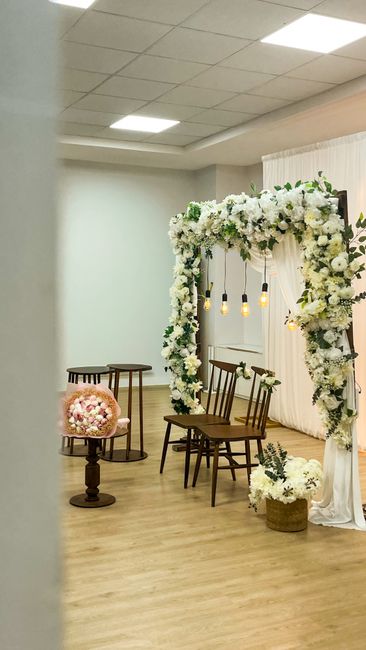
Tolworth Tower event florist case study wedding transformation
Posted on 18/10/2026
Tolworth Tower Event Florist Case Study: Wedding Transformation
If you are planning a wedding in Tolworth and wondering how flowers can genuinely change the feel of a venue, this Tolworth Tower event florist case study wedding transformation will give you a grounded, practical picture of what is possible. A well-designed floral scheme does far more than "pretty up" a room. It shapes the mood, guides the eye, softens hard edges, and makes the whole day feel intentional. And yes, even a space with a strong architectural presence can be turned into something warm, romantic, and personal.
Tolworth Tower is the kind of venue that benefits from thoughtful styling. Tall lines, open sightlines, and a modern feel can be a blessing, but they can also be a challenge. The question is simple: how do you create intimacy without fighting the building? That is where an event florist comes in. In this article, we break down the transformation process, what makes it work, the decisions that matter most, and the mistakes to avoid if you want a wedding look that feels polished rather than overdone.
You will also find a step-by-step planning guide, practical checklists, and a realistic example of how a wedding flower scheme can be developed around a venue like Tolworth Tower. Let's face it, wedding floristry is one of those things that looks effortless only when the planning behind it is anything but.
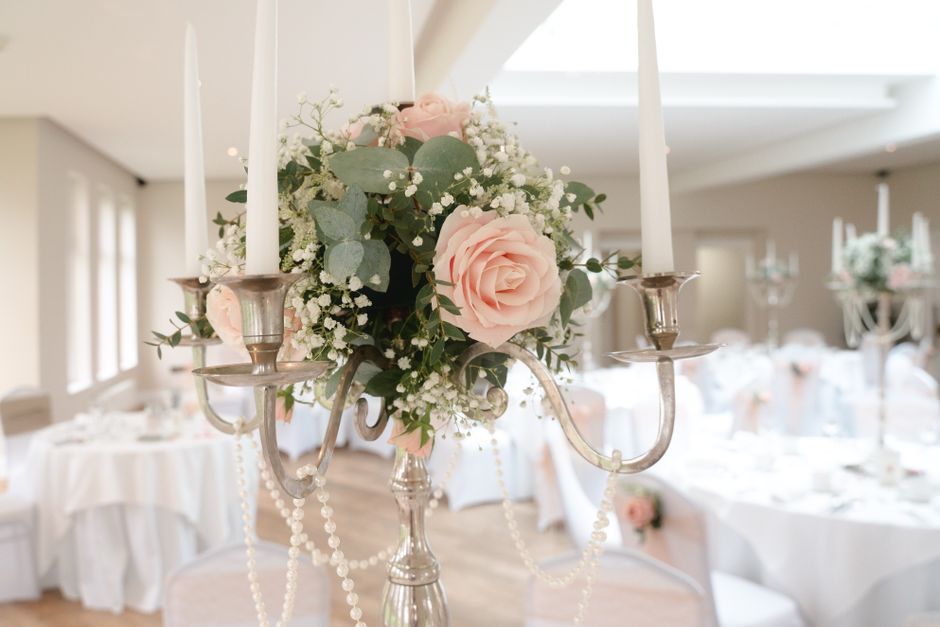
Table of Contents
- Why Tolworth Tower event florist case study wedding transformation Matters
- How Tolworth Tower event florist case study wedding transformation Works
- Key Benefits and Practical Advantages
- Who This Is For and When It Makes Sense
- Step-by-Step Guidance
- Expert Tips for Better Results
- Common Mistakes to Avoid
- Tools, Resources and Recommendations
- Law, Compliance, Standards, or Best Practice
- Options, Methods, or Comparison Table
- Case Study or Real-World Example
- Practical Checklist
- Conclusion
- Frequently Asked Questions
Why Tolworth Tower event florist case study wedding transformation Matters
A venue transformation case study matters because wedding flowers are never just decoration. They are part of the guest experience, part of the photography, and part of the story of the day. When a florist works on a venue like Tolworth Tower, the brief is usually not "add flowers everywhere". It is more strategic than that. The aim is to make the architecture feel inviting, to help the ceremony and reception areas read clearly, and to create a look that feels like your wedding rather than a generic package.
Tolworth Tower has a distinctive character, which means the floral approach needs to be balanced. A room with modern lines may ask for softer shapes, layered texture, and careful colour choices. A brighter, open space may need floral design that creates focus points without cluttering the layout. The transformation matters because the florist is effectively translating a venue into a mood. Same room, very different feeling.
That is particularly important for couples who want a wedding to feel elegant but not stiff, personal but not chaotic. In our experience, the best floral transformations are often the ones guests do not consciously analyse. They just walk in and think, "oh, this feels lovely." That is the sweet spot.
There is also a practical side. Flowers influence how the ceremony space photographs, where people gather, and how easily the room flows between moments. A bouquet on its own is one thing. A coherent floral plan across aisle, registrar table, reception tables, buttonholes, and bridal party details is another level entirely.
How Tolworth Tower event florist case study wedding transformation Works
The process usually begins with the venue itself. An experienced florist looks at the shape of the room, the natural light, the likely guest flow, and the moments that matter most. For a tower venue, there may be a modern interior, clean sightlines, and a need to add softness without blocking views. That changes the design thinking from the start.
The next step is identifying the wedding story. Is the tone classic and romantic, modern and minimal, or lush and celebratory? Are the couple planning a civil ceremony, a religious service elsewhere, or a reception-only styling brief? These details shape everything from flower choice to installation style.
From there, the florist normally works through a few layers:
- Core palette: colours that work in the venue light and suit the season.
- Key focal pieces: bridal bouquet, ceremony arrangements, top table florals, and entrance features.
- Supporting items: buttonholes, bridesmaid bouquets, table flowers, and smaller accent pieces.
- Practical logistics: delivery timing, setup windows, vase or foam-free mechanics, and strike collection.
It sounds tidy on paper. The day itself, naturally, can feel a bit more lively. A supplier arriving while chair covers are still going on, a bouquet needing final ribbon adjustment, the registrar asking for the table arrangement to be shifted two feet left. That is normal. Good floristry leaves room for that sort of thing.
For wedding-focused ranges, couples often compare curated collections such as wedding flowers and collections, alongside specific pieces like bridal bouquets, bridesmaid bouquets, and table arrangements. The trick is making those elements feel unified rather than pieced together at random.
Key Benefits and Practical Advantages
The most obvious benefit is visual impact, but there is more going on than that. A well-built wedding floral scheme at Tolworth Tower can help the room feel warmer, more coherent, and more luxurious without requiring huge props or heavy decor.
Here are the main advantages:
- Stronger first impression: guests notice the ceremony or reception space immediately, and flowers help set the tone within seconds.
- Better photos: florals add depth, texture, and colour contrast that look excellent in both natural and flash photography.
- Clearer styling: flowers can define zones, such as ceremony, welcome area, dining tables, and cake display.
- More personal feel: selected blooms and colours can reflect your style, heritage, or season.
- Venue enhancement: flowers can soften angular spaces and make a large room feel less empty.
There is also a very practical advantage that couples often overlook: flowers reduce the sense of "blankness" in a room. A venue can be lovely and still feel a touch unfinished without styling. A few well-placed focal points can change that. Not wildly. Just enough.
Another benefit is flexibility. A florist can work in a minimalist way for couples who do not want a lot of decoration, or build a fuller look if the brief is more dramatic. That flexibility matters in a venue like Tolworth Tower, where the architecture can support either approach depending on the mood you want.
And, to be fair, it helps the day feel deliberate. That counts for a lot.
Who This Is For and When It Makes Sense
This kind of floral transformation makes sense for couples who want their venue styling to feel thought-through, not improvised. If you are holding a wedding at Tolworth Tower, or using a similarly modern London venue, a florist-led approach is especially helpful when the room needs softening, colour direction, or a stronger sense of occasion.
It is a good fit if you:
- want the venue to feel more romantic or refined
- are working with a room that has a modern or minimal interior
- need flowers to help connect ceremony and reception styling
- care about photography and visual consistency
- prefer a coordinated look rather than lots of separate decor ideas
It also makes sense if you are short on time. Weddings move fast, and many couples do not have the energy to coordinate every buttonhole, table centre, bouquet, and venue placement themselves. Truth be told, that is where a florist earns their keep.
If you are still at the browsing stage, you may also want to compare more general options such as a trusted Tolworth florist, flower delivery in Tolworth KT5, or the broader wedding flowers Tolworth KT5 range before settling on a final design direction.
Step-by-Step Guidance
If you are planning a Tolworth Tower wedding transformation, it helps to approach floristry in a sequence. That keeps decisions manageable and avoids the classic last-minute scramble where everything feels urgent at once.
-
Start with the venue layout.
Identify where guests will first arrive, where the ceremony happens, where people will be seated, and which spots naturally draw the eye. A florist cannot design well without knowing the spatial flow.
-
Choose the mood before the flowers.
Do you want soft and airy, structured and elegant, or rich and romantic? The mood should come first. Flowers are the vocabulary; the mood is the sentence.
-
Select a palette that works in the room.
Consider how the venue light will affect the colours. Cool-toned rooms can make pale whites feel crisp; warmer interiors may make blush, peach, or mixed tones feel softer.
-
Prioritise focal pieces.
In most weddings, these are the bridal bouquet, ceremony display, and reception table arrangements. If budget matters, focus here first.
-
Support the focal pieces with smaller details.
Buttonholes, bridesmaid bouquets, and subtle table flowers help the whole scheme feel finished. They do not need to shout.
-
Confirm delivery and setup timing.
Venue access windows matter more than people expect. If setup is compressed, the design needs to be efficient and easy to install. That part matters a lot.
-
Review final placement on the day.
Even the best plan sometimes needs a tiny tweak once the room is dressed and the light changes. A good florist expects that.
A useful detail: ask whether arrangements are designed for reuse between the ceremony and reception. For example, some ceremony flowers can be repositioned near the top table or cake area later in the day. That can stretch value without making the decor feel sparse.
Expert Tips for Better Results
The best wedding floristry often comes down to restraint. More flowers do not automatically mean better design. The strongest room transformations usually have a few confident moments rather than lots of competing ones.
Practical expert tips:
- Match scale to the room. Small arrangements can vanish in a large space, while oversized pieces may overpower a compact table layout.
- Mix shapes and textures. Round blooms, trailing stems, and structured greenery add depth. It stops the design feeling flat.
- Keep the bouquet and venue styling related. They do not need to be identical, but they should clearly belong to the same design family.
- Use seasonal flowers where possible. Seasonal choices often look fresher and can be easier to source reliably.
- Build in one or two signature details. A standout bloom, ribbon finish, or repeated accent colour can give the whole wedding a memorable thread.
If you want a quick rule of thumb, think in layers: one hero piece, one supporting layer, and one quiet finishing layer. That structure tends to work better than trying to make every item equally dramatic. A bit of breathing room is your friend.
And yes, asking for a photo-friendly arrangement is sensible. Guests may not say it aloud, but the phone cameras will.
Common Mistakes to Avoid
Even with a good florist, a few predictable mistakes can get in the way of a polished result. The good news is that most of them are avoidable once you know what to look for.
- Choosing flowers before settling the venue mood. This can lead to a style that feels disconnected from the room.
- Ignoring delivery logistics. If access is limited or the schedule is tight, the design must be planned around that.
- Overfilling tables. Guests still need room to talk, eat, and see each other. A beautiful centrepiece should not become a conversation barrier.
- Mixing too many colours. It is easy to drift into a "bit of everything" scheme. Usually, that dilutes the impact.
- Forgetting to coordinate with other suppliers. The florist, venue team, photographer, and planner should all understand the setup sequence.
One small but common issue: couples sometimes treat buttonholes and bridesmaid bouquets as afterthoughts. They are not huge-ticket items, but they do a lot of visual work. If the bridal bouquet is elegant and the supporting flowers feel random, the eye notices. Quietly, but it notices.
Another one is underestimating how flowers behave in transport. Heat, moisture, and timing all matter. A bouquet that looked perfect at 9 a.m. can look very different by early afternoon if it has been handled badly. Not ideal, obviously.
Tools, Resources and Recommendations
You do not need a huge toolkit to plan wedding flowers well, but a few resources make the process calmer and more accurate.
- Venue floor plan: even a basic sketch helps you understand where large and small arrangements should go.
- Inspiration board: gather examples of bouquets, table flowers, and colour palettes so you can spot patterns in what you keep choosing.
- Guest list and table plan: this helps determine how many centrepieces or accent arrangements are needed.
- Fabric and decor samples: ribbon, linens, chair accents, and signage colours all affect the floral palette.
- Florist consultation notes: keep one document with your preferred flowers, dislikes, delivery timings, and key contacts.
For product browsing, many couples start with broader wedding categories and then narrow down to specific pieces such as wedding corsages, wedding buttonholes, or a more complete wedding collection. That approach can make budgeting and styling easier because you can see which elements work together.
If you are planning a tight schedule, it can also help to consider nearby everyday delivery options like same-day flower delivery or next-day flower delivery for non-wedding needs, so your wedding decisions stay separate from general gifting choices. Small detail, but it keeps the planning brain tidy.
Law, Compliance, Standards, or Best Practice
Wedding floristry is not heavily regulated in the same way as some construction or food services, but good practice still matters. A florist working in a venue should be mindful of access arrangements, safe setup, and respectful handling of the space. In a modern venue like Tolworth Tower, that often means coordinating with venue management and staying within agreed install times.
Useful best-practice points include:
- Protecting surfaces: tables, floors, and fixtures should be handled carefully during setup and removal.
- Clear delivery communication: everyone should know arrival times, access points, and who is signing for goods.
- Stable mechanics: arrangements should be secure and appropriate for the location, especially on display tables or near walkways.
- Allergen awareness: if your guest list includes sensitivities, ask your florist about strongly scented blooms or pollen-heavy flowers.
- Sustainability considerations: foam-free or lower-waste design methods may be available, depending on the brief.
From a customer perspective, it is sensible to read policy pages before ordering. If you are checking terms, care guidance, or fulfilment expectations, pages like terms and conditions, delivery information, flower care guidance, and sustainability can help set expectations. That is just good planning, really.
Options, Methods, or Comparison Table
When designing wedding flowers for Tolworth Tower, couples usually choose between a few broad methods. Each has a different feel, budget shape, and setup requirement.
| Approach | Best For | Strengths | Trade-Offs |
|---|---|---|---|
| Minimal focal styling | Smaller weddings or modern, clean looks | Elegant, efficient, less crowded | Needs careful placement to avoid feeling sparse |
| Balanced full-room styling | Most mid-sized wedding receptions | Good impact without overdoing it | Requires more coordination across elements |
| High-impact statement florals | Couples wanting a dramatic transformation | Strong visual identity, photo-friendly | Higher complexity and usually more product |
| Seasonal flexible design | Couples open to creative flower choice | Often practical and visually fresh | Exact blooms may vary by availability |
If you are unsure which direction to take, the balanced full-room style is often the safest place to begin. It gives the florist room to create impact without making every surface compete for attention. And honestly, that tends to age better in photos too.
Case Study or Real-World Example
Here is a realistic example of how a Tolworth Tower wedding transformation might be approached in practice. A couple wanted a romantic, modern look that felt soft rather than overly traditional. The venue had a neat, contemporary layout, which meant the design needed warmth, but not clutter.
The florist began by defining the key moments: entrance, ceremony focal point, bridal bouquet, and dining tables. Rather than trying to decorate every corner, the plan focused on a handful of strong visual anchors. That is often the smarter route. The couple preferred a light palette with gentle contrast, so the flowers were chosen to complement the venue's structure rather than fight it.
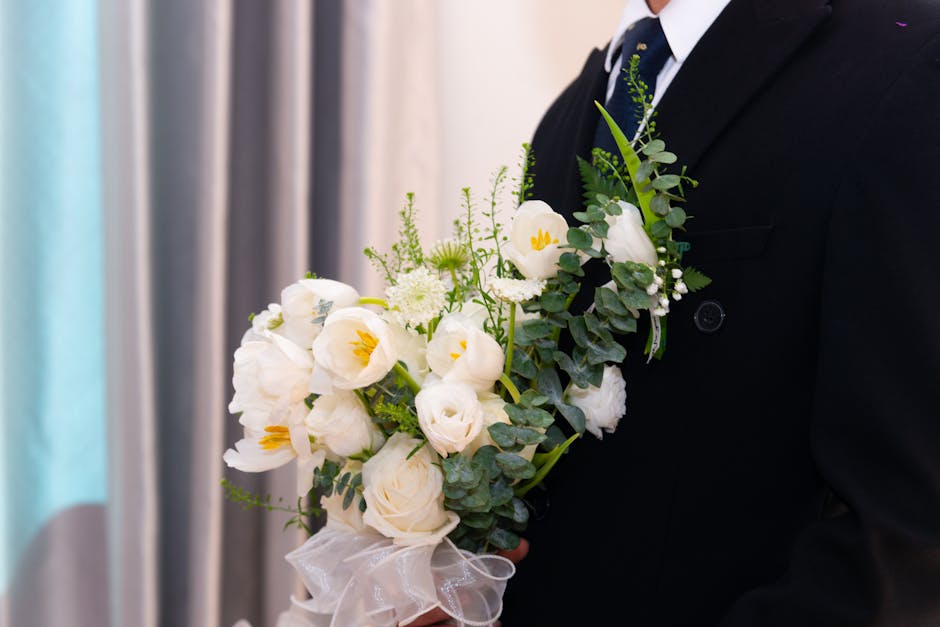
The bridal bouquet carried the main personality of the scheme. The bridesmaid bouquets echoed the same tones but in a slightly simpler form, so the bridal look stayed distinct. Buttonholes and corsages were coordinated to keep the bridal party cohesive. On the tables, the florist used arrangements that were low enough for conversation but full enough to lift the room visually.
At the ceremony point, the flowers framed the couple without blocking views or making the space feel crowded. That is the bit many people forget: the best ceremony design helps the human moment stay central. Flowers should support the vows, not compete with them.
The result was not a venue that looked "flowered". It was a venue that felt transformed. Softer. More romantic. More like a wedding day, which sounds obvious but is exactly the point. There was a visible before-and-after effect, yet nothing felt forced.
For couples who want to explore elegant product families for this kind of look, collections such as I Cherish You wedding collection, Pure Romance wedding collection, and Forever Yours wedding collection show how a coherent floral language can carry through the whole day.
Practical Checklist
Use this checklist when planning a wedding floral transformation at Tolworth Tower or a similar venue.
- Confirm your ceremony and reception layout.
- Decide on the overall mood: romantic, modern, classic, or bold.
- Choose a colour palette that works with the room.
- Prioritise the must-have pieces first.
- Check whether flowers will be reused between spaces.
- Share the final guest table plan with the florist.
- Confirm access times and delivery details with the venue.
- Ask about allergen-sensitive or low-scent options if needed.
- Review bouquet sizes against dress style and body shape.
- Keep one person responsible for supplier sign-off on the day.
Expert summary: If you want the room to feel transformed rather than simply decorated, focus on three things: scale, consistency, and placement. Get those right, and even a modern venue with strong lines can feel intimate and romantic. That is usually where the magic is hiding.
Get a free quote today and see how much you can save.
Conclusion
A Tolworth Tower event florist case study wedding transformation is really about more than flowers. It is about taking a venue with its own identity and shaping it into a setting that feels personal, welcoming, and memorable. The best results come from good planning, clear priorities, and a florist who understands both the visual and practical side of the day.
If you are in the middle of wedding decisions right now, do not let the floral part become an afterthought. It has a bigger effect than people expect. Start with the room, choose the mood, then build the flowers around the moments that matter most. Simple, really. Not always easy, but simple in principle.
And when it all comes together, you notice it in a quiet way: the room feels calmer, the photos feel richer, and the whole day seems to breathe a bit easier. That is a lovely thing to create.
Frequently Asked Questions
What does Tolworth Tower event florist case study wedding transformation actually mean?
It refers to a real-world style of wedding floristry planning focused on transforming a venue like Tolworth Tower through floral design. The aim is to show how flowers can change the feel of the space, not just decorate it.
Why are flowers so important in a wedding venue transformation?
Flowers influence atmosphere, photos, and guest experience. They soften hard lines, create focal points, and help the venue feel intentional rather than empty or unfinished.
Is Tolworth Tower suitable for a floral-heavy wedding look?
Yes, provided the floral design respects the venue's layout and scale. A modern venue often benefits from thoughtful structure, balanced focal points, and careful placement rather than filling every surface.
How far in advance should I plan wedding flowers?
As early as possible, especially if you want a specific palette, seasonal flowers, or coordinated ceremony and reception styling. Early planning also helps with budgeting and venue logistics.
What flowers work best for a modern wedding venue?
There is no single answer, but many couples choose roses, lisianthus, orchids, hydrangeas, and seasonal mixed blooms because they can be styled in both soft and structured ways.
Can one floral arrangement be reused during the wedding day?
Often, yes. Ceremony flowers can sometimes be moved to the reception or top table area, depending on the design and the venue's setup schedule. It is a sensible way to maximise impact.
How do I keep wedding flowers from looking too crowded?
Choose a clear colour palette, limit competing shapes, and leave enough space on tables for guests. A good florist will design for balance, not just volume.
What should I ask a florist before booking?
Ask about design style, delivery timing, setup support, flower availability, reuse options, and how they handle last-minute venue changes. Those questions save a lot of stress later.
Are there any venue rules I should check first?
Yes. Always check access times, setup restrictions, and any rules on candles, floor protection, or installation methods. Each venue can have its own practical requirements.
How do I know if my floral budget is realistic?
Start with the most important items: bouquet, ceremony flowers, and reception focal pieces. A florist can then suggest where to keep things simple and where a bigger spend will make the most difference.
What is the biggest mistake couples make with wedding flowers?
Trying to decide on specific flowers before they have settled the overall mood of the wedding. Mood first, flowers second. That order usually leads to a much better result.
Can I use the same florist for wedding flowers and everyday delivery needs?
Yes, but it is often helpful to keep wedding planning separate from general flower delivery orders. That way the wedding brief stays clear and the supplier can focus on the event design properly.
For couples planning a wedding in Tolworth, the right flowers can make a venue feel quietly unforgettable. And that, in the end, is what good transformation is all about.